
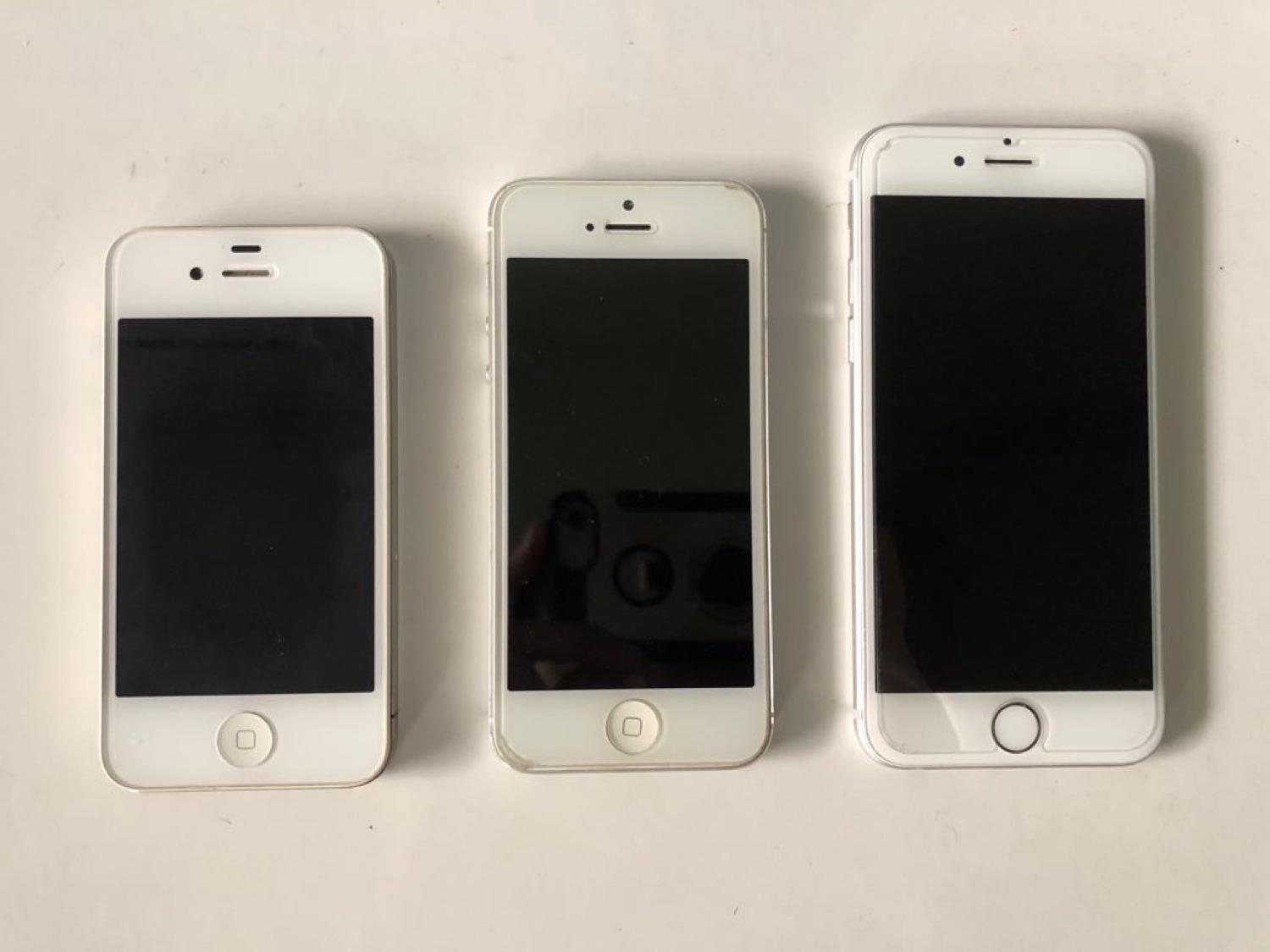
Three white iPhones, an iPhone 4, iPhone 5 and iPhone 6, standing side by side. Photo: Eric Jiang, CC BY-SA 4.0, via Wikimedia Commons.
"Is jailbreaking legal?" was one of the most common questions in our old comment threads. The short answer, for the United States, is that jailbreaking your own smartphone has been permitted under a specific exemption since 2010. The longer answer has some important limits. This is general information, not legal advice.
The DMCA and the exemption process
Section 1201 of the US Digital Millennium Copyright Act makes it unlawful to bypass technical protection measures on copyrighted works, and software counts. Every three years, the Librarian of Congress, advised by the US Copyright Office, can grant exemptions for specific uses.
- 2010: an exemption allowed jailbreaking smartphones to run lawfully obtained apps. The Electronic Frontier Foundation had argued for it.
- 2012: the phone exemption was renewed, but tablets were not covered.
- 2015 and later: the exemption was extended to tablets and other portable devices, and later to smart TVs and voice assistant devices. It has been renewed in later rule-makings.
What the exemption does not cover
- Piracy. Running cracked or pirated apps is copyright infringement, jailbreak or not.
- Bypassing other protections. Getting around DRM on music, video or games, or defeating Activation Lock on a device you do not own, is a different matter entirely.
- Your contract with Apple. Apple's software licence prohibits modification, and Apple can refuse warranty service for problems caused by unauthorised software. In practice, restoring the phone before a repair usually avoids arguments.
- Other countries. Rules differ. In the EU and UK, the legal position depends on national copyright and consumer laws.
Carrier unlocking is a separate question
People often mixed up jailbreaking and unlocking. Unlocking a phone from a carrier had its own US story, including a period in 2013 and 2014 when it was not covered by an exemption. We tell it in our article on unlocking the iPhone 4S.
Legal does not mean allowed everywhere
Even where jailbreaking is lawful, apps and services can refuse to work on modified devices. Streaming apps, banks and licensed sportsbooks all do this. For real-money betting, the reason is regulatory: operators must show regulators that bets come from a permitted location on an untampered device.