
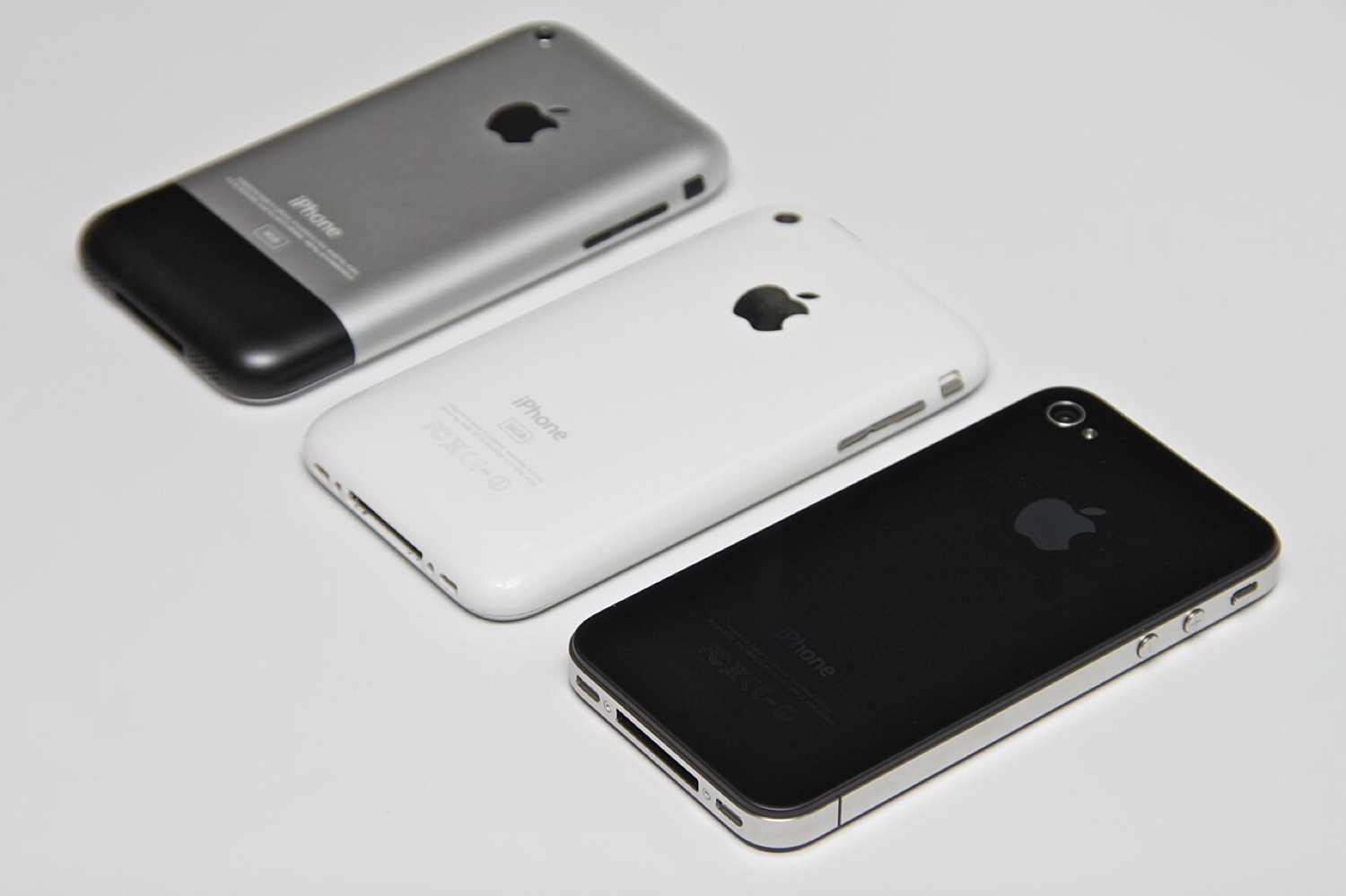
The original iPhone, the iPhone 3G and the iPhone 4 lined up on a white table. Photo: Yutaka Tsutano from Lincoln, United States, CC BY 2.0, via Wikimedia Commons.
For a few years around 2008 to 2014, "jailbreak" was one of the most searched phone words on the internet. This site was born in that period, when every new iOS release was followed by the same question: when is the jailbreak coming? Today most iPhone owners have never heard the word. So what was it, exactly?
The short definition
An iPhone only runs software that Apple has signed, inside a strict sandbox that keeps every app away from the system and from other apps. A jailbreak was a chain of security exploits that broke those rules. Once the chain had run, the phone would accept code that Apple had not approved, and that code could change how iOS itself behaved.
The word itself was the point: the phone was a "jail" with Apple holding the keys, and the jailbreak let the owner out into the yard. It did not, by itself, unlock the phone from a carrier, and it did not make paid apps free. Those were separate topics, often confused by newcomers, and the confusion caused plenty of trouble.
What people actually did with it
- Tweaks. Small add-ons that changed the system: a toggle panel for Wi-Fi and Bluetooth, gestures for switching apps, quick replies to messages.
- Themes. Custom icons, fonts and lock screens, years before iOS allowed any of that.
- Apps Apple would not allow. Emulators, file managers and system utilities that broke App Store rules.
- Learning. For many teenagers, poking around the file system of a jailbroken iPhone was their first lesson in how an operating system works.
Most of this software was found through Cydia, the alternative package manager built by Jay Freeman, better known as saurik. We look back at its most famous packages in our Top Cydia apps of 2012 retrospective.
Tethered, untethered and the in-between
Jailbreaks came in flavours. An untethered jailbreak survived a reboot. A tethered one needed a computer every time the phone restarted, which made it more of a hobbyist's toy. Later came semi-tethered and semi-untethered variants, where the phone booted normally into stock iOS and the jailbreak was re-applied with an app or a computer.
The trade-offs nobody put on the poster
A jailbreak worked by switching off protections that existed for good reasons. Updates became a gamble, because installing the latest iOS usually removed the jailbreak and patched the exploit. Battery life and stability depended on the quality of each tweak. And malicious packages from shady sources did appear. We cover the real incidents in our piece on jailbreak security risks.
There was also a quieter cost. Banking apps, streaming services and, later, almost every licensed betting and casino app started checking whether the phone had been modified, and many simply refused to open on a jailbroken device. That tension between freedom and trust runs through the whole story.
Where it stands now
Jailbreaking still exists as a niche for researchers and enthusiasts, mostly on older devices and older iOS versions. For ordinary owners, the reasons to do it have shrunk, because Apple has gradually built many of the most popular tweaks into iOS itself. This site no longer publishes jailbreak tutorials or tool downloads. We write about the history, the security lessons and the iPhone features that came out of it.