
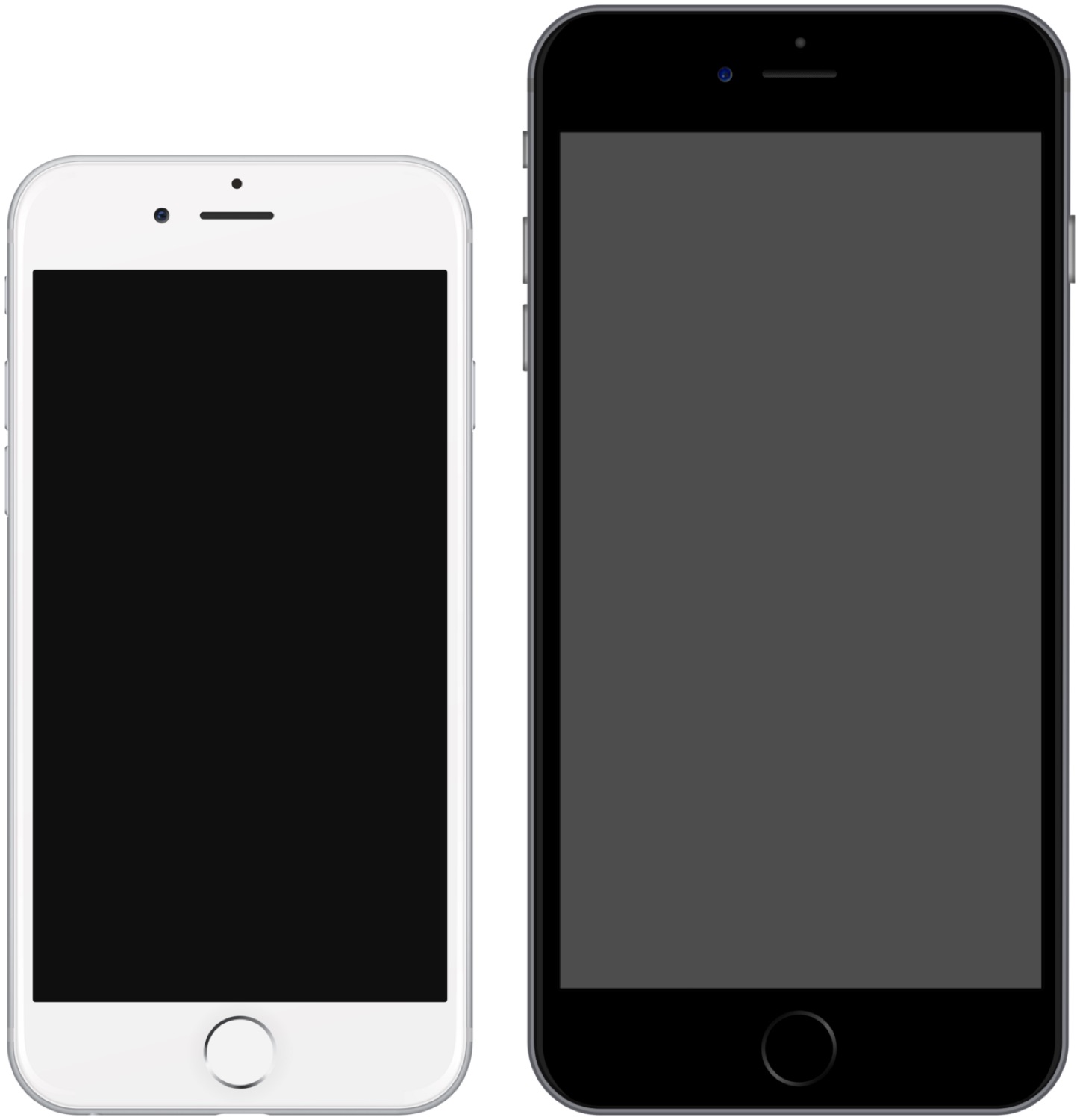
Front views of the iPhone 6 and the larger iPhone 6 Plus side by side. Photo: Ryse93, CC BY-SA 4.0, via Wikimedia Commons.
In mid-2013 this blog, like most of the tech web, ran a stream of iPhone 6 stories: release dates, leaked pictures, concept renders and patents. Some guesses were spot on, others were wildly off. With more than a decade of hindsight, here is a scorecard.
What the rumours said
- A bigger screen. Widely predicted, and correct.
- Eye-detection technology. Based on patents, some sites claimed the iPhone 6 would scroll or pause when your eyes moved. It did not happen in 2014.
- A "smart battery". Another patent-driven story. Battery management did improve over the years, but there was no special battery feature at launch.
- Sapphire screens. A big story in 2014. Apple's sapphire supplier ran into serious trouble that autumn, and the iPhone 6 shipped with glass.
- A plastic shell. That was really the iPhone 5c of 2013, not the iPhone 6.
What Apple actually shipped
Apple announced the iPhone 6 and iPhone 6 Plus on September 9, 2014, with 4.7-inch and 5.5-inch screens, a thinner rounded aluminium body, the A8 chip and NFC for the new Apple Pay. It went on sale on September 19, 2014 and became one of the best-selling phone models in history.
The model had its controversies too: some iPhone 6 Plus units bent under pressure, the "bendgate" story of 2014, and years later older iPhone 6 units were slowed down by power management on worn batteries, which led to Apple's battery replacement programme and a large settlement in the United States. Our battery care guide explains the feature that came out of that.
Why the bigger screen mattered
The larger displays changed how people used their phones. Video, reading and games all benefited, and so did apps that had felt cramped on four inches, from maps to banking. Mobile sportsbooks, poker clients and casino apps were among the first to redesign for the larger canvas, with more space for live odds, tables and cards.
How to read rumours today
Patents describe ideas, not products. Supply-chain reports are better, but even they can be early or wrong. A good rule from 2013 still holds: until Apple puts it on stage, treat every leak as a maybe.